






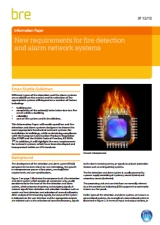
New requirements for fire detection and alarm network systems IP 12 13
BRE (Building Research Establishment) is an independent, research-based consultancy, testing and training organisation, operating in the built environment and associated industries.
New requirements for fire detection and alarm network systems (IP 12/13) was written by Eman Mattie-Suleiman and published by BRE on 30 September 2013.
A fire detection and alarm systems (FDAS) typically consists of a processer unit, which receives signals from detection and activation functions such as smoke and heat detectors and activation of manual call points. After analysis of the incoming signals, the status of the system is indicated via the user interface and the appropriate outputs are initiated such as the activation of sounders/beacons, signals to the alarm receiving centre, or signals to activate protection devices such as extinguishing systems.
The development of FDAS components has been driven by new technology, the growth in microprocessor power at low prices, new legislative requirements and user specifications. Different types of FDAS are now available on the market and the selection of the appropriate system will depend on a number of factors including:
- Building size.
- Complexity of the action(s) to be taken due to a fire event within a building.
- Reliability.
- Cost of the system and its installation.
This 12 page BRE information paper enables the specifiers and designers of fire detection and alarm systems to choose the most appropriate hard-wired network systems whilst maintaining compliance with the Construction Products Regulation (CPR) and BS 5839-1 (Fire detection and fire alarm systems for buildings. Code of practice for design, installation, commissioning and maintenance of systems in non-domestic premises). It also highlights the requirements for network systems which have been developed and incorporated within a Loss Prevention Standards (LPS) standard.
The contents of the information paper are:
- Background-Introduction of network systems.
- Reasons for networking fire detection and alarm systems.
- Current requirements for fire detection network systems.
- New fire detection and alarm system network requirements.
- References.
[edit] Related articles on Designing Buildings Wiki
- Automatic fire detection and alarm systems, an introductory guide to components and systems BR 510.
- BRE articles on Designing Buildings Wiki.
- BRE Buzz articles on Designing Buildings Wiki.
- BRE Buzz.
- Building Research Establishment.
- Fire detection and alarm system.
- Fire detector.
- Fire.
- Heat alarm.
- Ionisation smoke alarm.
- Multi-sensor alarm.
- Optical smoke alarm.
- Over £1 billion lost every year due to false alarms.
- The causes of false fire alarms in buildings.
Featured articles
Check out some of the best features and news from Designing Buildings as well as key stories from around the web.
Listed structures on the rail network
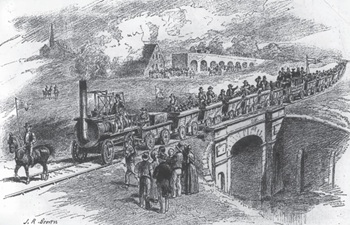
Heritage interests and operational requirements must be balanced.
Historic England publishes research into embodied carbon when retrofitting traditional buildings.

New Prime Minister delivers on ECA call for cut in electricity costs.

CIOB reacts to the announcement of Andy Burnham as Prime Minister.

Heritage and conservation science workforce survey - Have your say.

England's Suburbs 1820-2020. Book review.

New, more proportionate and targeted approach for higher-risk building assessments.

Government brings British Steel into public ownership.

UKCW Birmingham returns with bold new theme and focus.
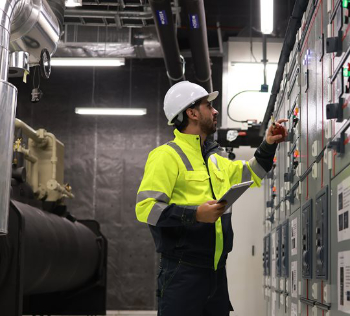
New guidance published on competence requirements for self-certification schemes.
Construction Management, 8 July

NEETs crisis drives interest in trades, but apprenticeships barriers remain.
Passive fire protection webinar

MEP services penetration seals.